How Much Value Does an Extension Add to Your Home? UK 2026 ROI Guide
Last updated: 21 September 2026
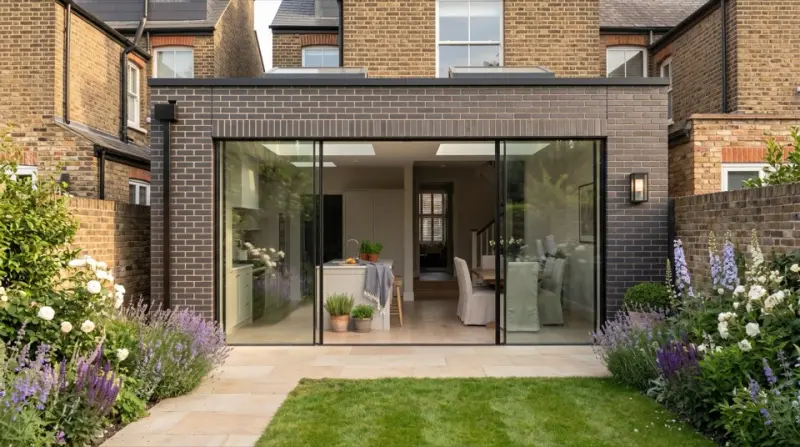
See it for your own home: put in your address and get free concept drawings and an indicative price. Get my free concept → Or see our House Extensions →
If you are considering extending your home, the first question is usually: how much will it cost? The second — and often more important — question is: how much value will it add? In 2026, a well-designed extension typically increases a UK property's value by 15–20%, with some projects delivering returns of up to 25% in high-demand areas. For a home worth £400,000, that is a potential uplift of £60,000 to £80,000 or more.
But not all extensions are equal. The return on investment (ROI) depends on the type of extension, your location, the quality of the design, and how well the new space integrates with the existing property. This guide draws on data from the Office for National Statistics (ONS) and the HomeOwners Alliance to give you a clear picture of what to expect — and how to maximise your return.
At Suddeco Homes, we help homeowners make informed decisions by showing what has been built and approved near their address. Our free render tool reveals real local precedents, so you can see what works in your area before spending a penny on design or planning.
Table of Contents
- How Much Value Does an Extension Add?
- ROI by Extension Type
- Location Matters: Where Extensions Add the Most Value
- Cost vs. Value: The Break-Even Analysis
- What Maximises Extension Value?
- What Reduces Extension Value?
- Extension Value Calculator
- How to Finance an Extension and Protect Your ROI
- How Suddeco Helps You Maximise Value
- Frequently Asked Questions
How Much Value Does an Extension Add?
Market research consistently shows that extending a home adds significant value, particularly when the additional space increases the floor area and improves the functionality of the property. The ONS reports that the average UK house price in mid-2026 sits at approximately £290,000, meaning a typical 15–20% uplift from an extension is worth £43,500 to £58,000 in added value.
The HomeOwners Alliance notes that extensions which add usable living space — particularly kitchens, additional bedrooms, and bathrooms — tend to deliver the strongest returns. This is because buyers place a premium on properties that are immediately functional rather than those requiring further work.
Average Value Added by Extension Type
| Extension Type | Typical Value Added | Percentage Uplift | Best For |
|---|---|---|---|
| Kitchen extension | £50,000–£80,000 | 15–20% | Family homes, entertaining |
| Double-storey rear | £60,000–£100,000 | 18–25% | Adding bedrooms and bathrooms |
| Loft conversion | £40,000–£70,000 | 15–20% | Extra bedroom/office without footprint loss |
| Garage conversion | £15,000–£30,000 | 10–15% | Budget-conscious additions |
| Side return | £40,000–£60,000 | 15–18% | Victorian and Edwardian terraces |
| Wrap-around | £70,000–£110,000 | 20–25% | Maximising ground floor space |
| Conservatory | £10,000–£25,000 | 5–10% | Sunrooms, but limited year-round appeal |
| Orangery | £25,000–£45,000 | 10–15% | Higher-end alternative to conservatory |
Sources: HomeOwners Alliance; ONS property data; indicative Suddeco estimates
ROI by Extension Type
Kitchen Extension: 15–20% ROI
The kitchen is the heart of the home, and a well-designed kitchen extension is consistently one of the highest-value improvements. A typical 20 m² kitchen extension costs £40,000–£60,000 to build, and adds £50,000–£80,000 in value. The key is to create an open-plan kitchen-diner with good natural light, modern appliances, and quality finishes. Bi-fold doors leading to the garden are particularly desirable in 2026, as outdoor living continues to be a major selling point.
Double-Storey Rear Extension: 18–25% ROI
A double-storey extension delivers the highest ROI because it adds space on two floors — typically a kitchen or living area below and a bedroom or bathroom above. The per-m² cost is lower than a single-storey extension (approximately £1,800–£2,500/m²), while the value added is substantially higher. A well-executed double-storey extension on a £400,000 home can add £72,000–£100,000 in value.
Loft Conversion: 15–20% ROI
Loft conversions are popular because they add space without reducing garden size. A typical dormer loft conversion costs £30,000–£50,000 and adds £40,000–£70,000 in value. The best returns come from adding a master bedroom with an en-suite, which is highly attractive to buyers. Velux and mansard conversions offer different cost and value profiles, with mansard conversions being more expensive but adding more usable space.
Garage Conversion: 10–15% ROI
Garage conversions are the most budget-friendly way to add space, costing £12,000–£22,500 for a typical single garage. They add £15,000–£30,000 in value, representing a solid if not spectacular return. The best use is a home office, playroom, or additional bedroom. One caveat: if off-street parking is scarce in your area, losing a garage may actually reduce appeal to some buyers.
Side Return Extension: 15–18% ROI
Side returns are common in Victorian and Edwardian terraced houses, where a narrow alleyway runs alongside the property. Filling this space with a side return extension costs £30,000–£45,000 and typically adds £40,000–£60,000 in value. The key benefit is creating a wider kitchen or open-plan living space without sacrificing garden area.
Wrap-Around Extension: 20–25% ROI
A wrap-around extension combines a rear and side return extension, maximising the ground floor footprint. Costs are higher (£50,000–£75,000), but the value added is substantial — typically £70,000–£110,000. This type of extension is best suited to larger properties where the added space transforms the living experience.
Location Matters: Where Extensions Add the Most Value
The value an extension adds is heavily influenced by your location. In areas with high property prices and strong demand, the absolute value of the uplift is greater — even if the percentage increase is similar.
London: Highest Absolute Returns
In London, where the average property price exceeds £500,000, a 20% uplift from an extension is worth £100,000 or more. Prime boroughs such as Kensington & Chelsea, Westminster, and Camden see even higher returns. A well-designed double-storey extension in these areas can add £200,000+ to a property's value. However, construction costs are also higher due to the London premium (+30–50% on base costs), so the net ROI must be calculated carefully.
South East: Strong Returns
The South East (Surrey, Berkshire, Buckinghamshire, Hertfordshire) benefits from London spillover demand and high property values. The average house price is approximately £400,000, meaning a 20% uplift is worth £80,000. Construction costs are moderately elevated (+20–30%), but the net return remains attractive.
North and Midlands: Best Percentage ROI
In the North of England and Midlands, property prices are lower (average £200,000–£250,000), but construction costs are also reduced (-10–20% below the national average). While the absolute value added is smaller, the percentage ROI can be higher because the build cost is lower relative to the property value. A £30,000 extension on a £200,000 home that adds £40,000 in value is a 33% return — significantly higher than the London equivalent.
Scotland and Wales: Solid Value
Scotland and Wales offer similar dynamics to the North of England. Property prices are moderate, construction costs are competitive, and extensions deliver reliable returns. The key is to match the extension type to local demand — for example, extra bedrooms are highly valued in family areas, while home offices are prized in commuter towns.
| Region | Average House Price | 20% Uplift Value | Build Cost Premium | Net ROI Potential |
|---|---|---|---|---|
| London | £520,000 | £104,000 | +30–50% | High absolute, moderate % |
| South East | £400,000 | £80,000 | +20–30% | Strong |
| South West | £320,000 | £64,000 | +10–15% | Good |
| Midlands | £240,000 | £48,000 | -10% | Very good % |
| North England | £210,000 | £42,000 | -15% | Excellent % |
| Scotland | £200,000 | £40,000 | -15–20% | Excellent % |
| Wales | £220,000 | £44,000 | -10–15% | Very good % |
Sources: ONS House Price Index (Q2 2026); indicative Suddeco estimates
Cost vs. Value: The Break-Even Analysis
Before committing to an extension, it is worth calculating whether the project will break even or generate a profit. Here is a worked example for a typical 20 m² kitchen extension in the Midlands.
Example: 20 m² Kitchen Extension in Birmingham
| Item | Cost |
|---|---|
| Construction (20 m² at £2,200/m²) | £44,000 |
| Professional fees (architect, engineer, planning) | £5,000 |
| Contingency (12.5%) | £5,500 |
| VAT (20%) | £10,900 |
| Total Project Cost | £65,400 |
| Estimated Value Added | £75,000 |
| Net Profit / Equity Gain | £9,600 |
In this scenario, the homeowner not only recovers the full cost of the extension but gains £9,600 in additional equity. If the property is in a high-demand area or the extension is particularly well-designed, the value added could be significantly higher.
When Extensions Do Not Add Value
Not every extension is profitable. Poor design, over-improvement for the area, and failure to obtain proper approvals can all reduce or eliminate the value added:
- Over-improving: Spending £80,000 on an extension in an area where the ceiling price is £250,000 means you will not recover your investment. Research local sold prices before committing.
- Poor design: A badly designed extension that blocks light, creates awkward layouts, or uses cheap materials will not appeal to buyers.
- Lack of approvals: Extensions without planning permission or building regulations approval are difficult to sell and may require retrospective applications or indemnity insurance.
- Loss of desirable features: Converting a garage in an area where off-street parking is scarce, or removing a bedroom to create a larger living room, can reduce value.
What Maximises Extension Value?
1. Design for the Buyer, Not Just Yourself
While you should enjoy your extension, designing with resale in mind ensures maximum ROI. Features that buyers consistently value include:
- Open-plan kitchen-diners with natural light and garden access
- Additional bedrooms, especially with en-suite bathrooms
- Home offices — demand has remained elevated since the shift to hybrid working
- Good storage — built-in wardrobes, utility rooms, and pantries
- Quality finishes — not necessarily luxury, but durable and attractive
2. Maximise Natural Light
Natural light is one of the most important factors in how buyers perceive space. Large windows, skylights, and glass doors make an extension feel larger and more valuable. Consider adding rooflights or a lantern roof to kitchen extensions — the cost is modest (£2,000–£5,000) but the impact on perceived value is significant.
3. Match the Architectural Style
An extension that looks like a clumsy add-on will detract from value. A well-integrated extension that respects the original architecture — using matching bricks, sympathetic rooflines, and consistent proportions — adds more value than a modern box tacked onto a period property. Our Concept Package ensures your extension is designed to complement your home's character.
4. Add a Bathroom
If your extension includes a new bedroom, adding an en-suite bathroom can increase the value added by £10,000–£20,000. Buyers place a high premium on properties with sufficient bathrooms relative to bedrooms.
5. Improve Energy Efficiency
With rising energy costs and increasing EPC (Energy Performance Certificate) requirements, energy-efficient extensions are more valuable. High insulation standards, efficient glazing, and renewable energy features (solar panels, heat pumps) not only reduce running costs but also appeal to environmentally conscious buyers.
What Reduces Extension Value?
1. Cutting Corners on Approvals
Extensions without proper planning permission or building regulations approval are a red flag for buyers and lenders. They can reduce your property's value by the cost of rectifying the issue, or make it unsellable until approved. Always ensure your extension is fully compliant.
2. Ignoring the Garden
A large extension that leaves only a small patch of garden can reduce the property's appeal. Buyers value outdoor space, and a cramped garden can offset the value of the additional indoor space. Aim to retain at least 50% of your original garden area.
3. Sacrificing Parking
In urban areas, off-street parking is a significant asset. Converting a garage or driveway to living space can reduce your property's value by more than the extension adds, particularly in areas with controlled parking zones.
4. Over-Personalisation
Bold colour choices, unconventional layouts, and highly specialised rooms (e.g., a home cinema or gym) may suit your lifestyle but limit the pool of potential buyers. Neutral, flexible spaces deliver the highest returns.
Extension Value Calculator
Use this simple formula to estimate the value an extension could add to your home:
Estimated Value Added = Current Property Value × Expected Uplift %
Then subtract the total project cost to find your net return:
Net Return = Estimated Value Added − Total Project Cost
Example Calculation
- Current property value: £350,000
- Extension type: Double-storey rear (expected uplift: 20%)
- Estimated value added: £350,000 × 20% = £70,000
- Total project cost: £55,000 (construction + fees + VAT)
- Net return: £15,000
For a more precise estimate based on your address and local comparables, use our free render tool. We analyse nearby planning approvals and sold prices to give you a data-driven projection of what your extension could be worth.
How to Finance an Extension and Protect Your ROI
The way you fund your extension can affect your overall return. Common options include:
- Remortgaging: Release equity by increasing your mortgage. This is often the cheapest way to borrow, with interest rates typically lower than personal loans.
- Further advance: Ask your existing mortgage lender for an additional loan secured against your property. Rates are usually competitive.
- Personal loan: Unsecured loans are available for smaller projects (£10,000–£50,000), but interest rates are higher than mortgage-based borrowing.
- Home improvement loan: Some lenders offer specific products for renovation projects with favourable terms.
The HomeOwners Alliance recommends speaking to a whole-of-market mortgage broker to find the best option for your circumstances. Be sure to factor the cost of borrowing into your ROI calculation — if you pay £5,000 in interest over the life of the loan, your net return is reduced accordingly.
How Suddeco Helps You Maximise Value
Making the right design decisions from the start is the single biggest factor in maximising the value your extension adds. Suddeco Homes helps you do this by showing you what has already been approved and built near your address — so you can learn from real local precedents.
Free Render: See What Is Possible
Our free render tool gives you an instant visualisation of what your property could become, based on nearby planning approvals. You see what your neighbours built, what it cost, and how it looks — giving you a real-world benchmark for your own project.
Concept Package: £495–£995
Once you have a direction, our Concept Package delivers three photorealistic renders, full floor plans, and a detailed cost estimate. You can refine the design once before committing to the next stage. This ensures your extension is designed to maximise both your lifestyle and your property's value.
Design + Planning: £2,495
Our comprehensive package includes everything needed for planning approval and building regulations sign-off. We manage the application, coordinate with structural engineers, and provide unlimited revisions. A fully approved, compliant extension is essential for protecting your investment.
Design-to-Build
In London, our Design-to-Build service is delivered by Suddeco’s own team — design, planning and the build itself, with project management, staged milestone payments and a 12-month warranty. This ensures your extension is built to the standard that maximises its resale value.
Get your free render and see your property's potential →
Frequently Asked Questions
How much value does an extension add to a house UK?
A well-designed extension typically adds 15–20% to a UK property's value, with some projects delivering up to 25% in high-demand areas. For a £400,000 home, that is £60,000–£80,000 in added value. Sources: HomeOwners Alliance; indicative Suddeco estimates
Does an extension add more value than a loft conversion?
Double-storey extensions generally add more absolute value than loft conversions because they increase space on two floors. However, loft conversions often have a better percentage ROI because they are cheaper to build and do not reduce garden space. The best choice depends on your property type and local demand.
What extension adds the most value?
Double-storey rear extensions and wrap-around extensions typically add the most value, delivering 18–25% uplifts. Kitchen extensions are also high-value, particularly when they create open-plan kitchen-diners with garden access. Source: indicative Suddeco estimates
Is a kitchen extension worth it?
Yes. Kitchen extensions consistently deliver strong returns because the kitchen is the most important room for most buyers. A well-designed kitchen extension costing £40,000–£60,000 can add £50,000–£80,000 in value. Features like bi-fold doors, island units, and quality appliances maximise the return.
Does a garage conversion add value?
A garage conversion typically adds 10–15% to a property's value, or £15,000–£30,000 for a typical home. It is the most cost-effective way to add habitable space. However, if parking is scarce in your area, removing a garage may reduce appeal to some buyers. Sources: HomeOwners Alliance; indicative Suddeco estimates
How much value does a bathroom add to an extension?
Adding a bathroom to an extension — particularly an en-suite to a new bedroom — can increase the value added by £10,000–£20,000. Buyers place a high premium on the bedroom-to-bathroom ratio, and an en-suite is a major selling point.
Do I need planning permission to add value?
Yes. An extension without proper planning permission or building regulations approval is difficult to sell and may be valued lower than a compliant extension. Lenders may refuse mortgages on properties with unauthorised works, and buyers may demand a price reduction to cover the risk.
Can an extension reduce property value?
Yes, if poorly designed, over-improved for the area, or executed without proper approvals. Over-improving (spending more than the local ceiling price supports), blocking light, reducing garden space, or removing parking can all reduce value. Research local comparables before committing. Use our cost calculator to budget accurately.
Does location affect how much value an extension adds?
Yes. In London and the South East, the absolute value added is higher due to elevated property prices. In the North and Midlands, the percentage ROI is often better because construction costs are lower relative to property values. Match your extension type to local demand for the best return.
What is the average ROI on a home extension?
The average ROI on a UK home extension is 15–20%, with premium projects in high-demand areas delivering 20–25%. Kitchen extensions, double-storey extensions, and wrap-around extensions typically deliver the strongest returns. Sources: HomeOwners Alliance; indicative Suddeco estimates
Should I extend or move house?
Extending is often more cost-effective than moving, particularly when you factor in stamp duty, estate agent fees, removal costs, and the premium of buying a larger home. Stamp duty on a £500,000 purchase is £12,500, while a well-designed extension can cost less and add equivalent space. The decision depends on your long-term plans, local property prices, and emotional attachment to your home.
How do I know if my extension is over-improved for the area?
Research sold prices of properties with and without extensions in your postcode. If the ceiling price for a 3-bedroom house in your street is £350,000, spending £80,000 on an extension may not be recoverable. Our free render tool shows you what has been built and sold nearby, helping you set realistic expectations.
Does energy efficiency affect extension value?
Yes. With rising energy costs and EPC requirements, energy-efficient extensions are increasingly valuable. High insulation, efficient glazing, and renewable energy features reduce running costs and appeal to buyers. An energy-efficient extension can command a 3–5% premium over a standard build. Sources: Department for Energy Security and Net Zero; indicative Suddeco estimates
How long does it take to realise the value of an extension?
The value of an extension is typically realised as soon as the project is complete and signed off by building control. However, the full market value may only be apparent when you sell, as buyers pay a premium for completed, compliant extensions. If you plan to sell within 2–3 years, ensure the design is neutral and broadly appealing.
How can I maximise the value of my extension?
To maximise value: (1) design for local buyer demand, (2) maximise natural light, (3) match the architectural style of your home, (4) add a bathroom if possible, (5) ensure full planning and building regulations compliance, and (6) use quality finishes without over-personalising. Our Concept Package ensures your extension is designed with resale value in mind.
See it before you spend a penny
Get a free render of your finished project + a real price — in minutes.
Get your free concept →